Table Of Content

Pregnancy is a time to eat healthy and nutritious food to ensure proper growth and development of the mind and the body of you and your little bean. Eating right is also essential for the health of the baby and especially for the growth of the hair. Your baby’s hair growth happens in cycles of shedding and regrowing. As a parent, you are probably keen to know everything about your baby’s hair growth during pregnancy.

Why Some Babies Are Born Without Hair
But some little ones enter the world with a lush head of locks that would make Rapunzel jealous. And is there any way to guess whether your baby will be bald or perfectly coiffed? Whether your baby is born bald and stays that way for a while or comes out with a long, luxurious mane, her hair situation will likely change.
Baby Hair on Ultrasound: What You Can Expect To See (& When)
Night sweats, hair changes and 5 other postpartum symptoms nobody warns you about - Nebraska Medicine
Night sweats, hair changes and 5 other postpartum symptoms nobody warns you about.
Posted: Wed, 12 Jan 2022 08:00:00 GMT [source]
Additionally, the sound waves emitted by ultrasounds have to travel through amniotic fluid, fat, and skin on their way to your babe. This can cloud your final image and make any hair growing on your baby’s head difficult to see. The study, which was published in the journal Birth, involved 64 pregnant women, 78 percent of whom reported experiencing heartburn.
Are Baby Hairs a Sign of Balding? Here’s Everything You Need To Know
It’s a cause for celebration if a newborn has naturally curly hair. When compared to infants with straight hair, their ringlets stand out as very adorable. The genes of both your mother and father are responsible for your natural hair texture. There isn’t just one gene that controls hair colour or texture. If you have children, your hair’s appearance at birth might provide insight into your genetic makeup.
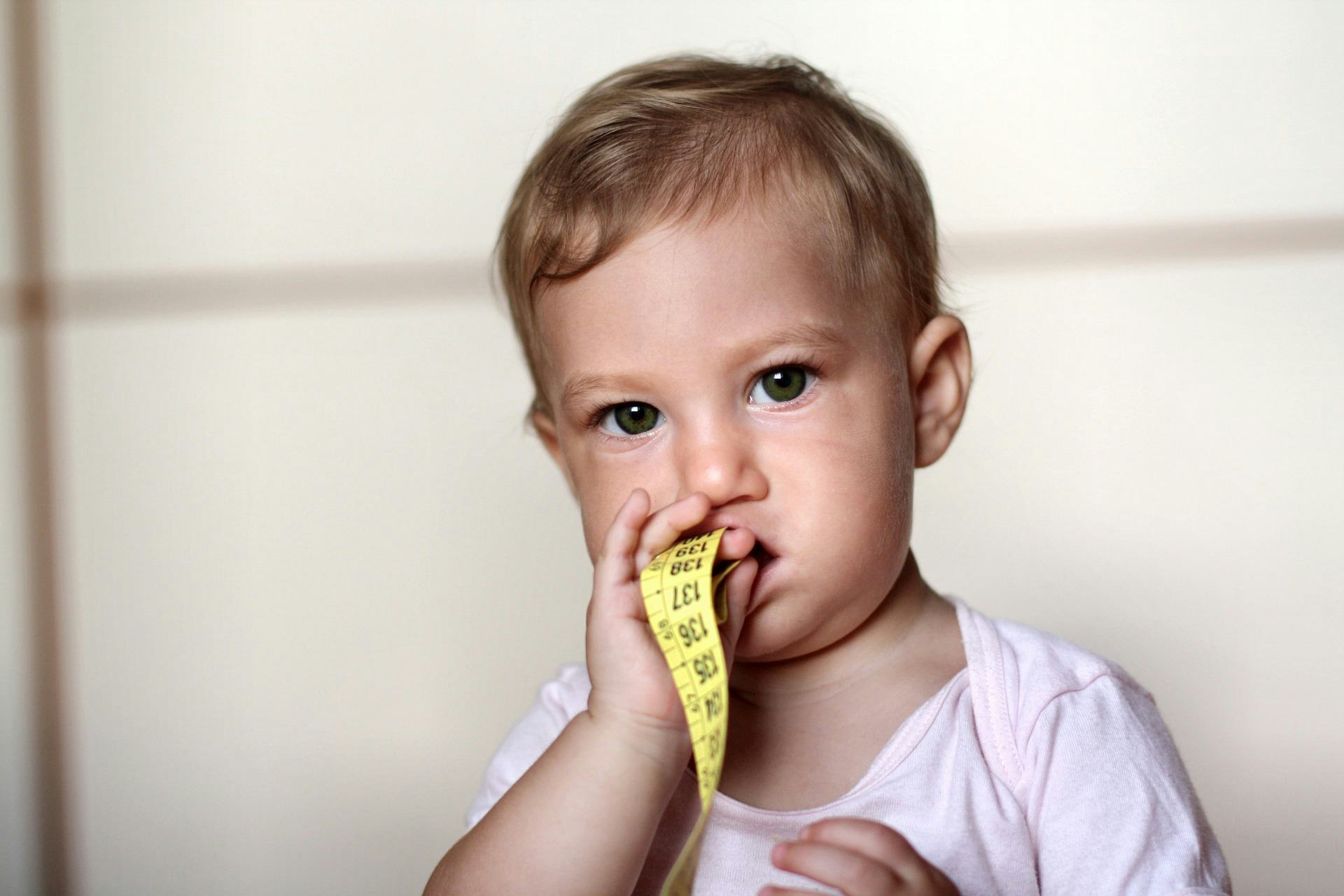
By the 15th week, your baby’s hair pattern starts to develop as the hair pushes through the scalp. Around this time, the fuzzy halo of hair will be visible on ultrasounds. Newborn hair loss is common, so don’t be alarmed if you see some shedding in the crib during the first 6 months of your baby’s life. It’s also possible you won’t notice this change, as, sometimes, hair loss and growth happen simultaneously. Did you start out with lots of baby-soft hair or a couple of sweet little strands?
All babies will have their hair in eventually, and before you know it you’ll be bribing them to let you brush their hair or planning a first haircut. Dr Amy Revene M.B.B.S. graduated from the University of Sharjah in the United Arab Emirates. She is currently working as a General Physician at New Hope Medical Center. Amy has a passion for research and offers her expertise and opinions to help people in their quest to lead healthy, happy lives. For those seeking a more lasting solution, professional laser hair removal might be the answer.
That said, for safety reasons, Benjamin suggests getting baby’s first haircut done by a professional. “They may play a greater role in holding or positively distracting the child,” she says. Hair development in the womb is a complex process, and the timing of hair growth can vary among babies. An old wives’ tale says that heartburn during pregnancy indicates that your baby will have a lot of hair. Eating foods that increase the production of estrogen in the body during pregnancy can positively impact hair growth.
⚠️ You can't see this cool content because you have ad block enabled.
So how do these phases apply to the small study we discussed earlier? Well, the presence of heartburn may mean a woman has more estrogen. Newborns with darker skin color are slower to move to the telogen or resting phase where hair falls out. Interestingly, whether or not your newborn’s hair falls out, it may soon look different.
Baby Hair or Breakage: How to Tell the Difference - Allure
Baby Hair or Breakage: How to Tell the Difference.
Posted: Wed, 22 Apr 2020 07:00:00 GMT [source]
If a person’s hair does not return to its previous condition after 1 year, they should contact a doctor. There is one study that points to there being some truth to this correlation, but most of the evidence is anecdotal. Fetal hair growth is dependent on genetics and maternal hormones during pregnancy.
Newborns don’t use a lot of frizz-fighting products, so their hair is still going to have a little bit of frizz. Babies born to moms who do not have any of these conditions are at risk of having very little to no hair, even if they go through pregnancy and birth with no complications. Hair curling results from a combination of DNA genetics and lifestyle choices. In general, when one quality is dominant over the other, the child’s criteria develop if it is present in recessive nature. Curly hair, even if it is recessive, will always remain curly until the end. So, in areas where it rains a lot, people often complain that their hair turns frizzy whenever it rains.
Still more studies have found that these same hormones can play a role in how much hair fetuses grow in the womb. And if you haven’t already been there, done that, believe us when we tell you that labor and delivery are stressful events for everyone involved, including your baby. One theory is that this stress may contribute to telogen effluvium and hair loss. Most hair loss happens in the first 6 months of life, peaking at about 3 months, say the experts at Oregon Health and Science University. Babies typically lose hair in the first months of life due to various reasons, including friction from laying on a crib mattress.
The number of hair follicles a newborn develops in utero can be different between newborns, but it remains the same after birth. After birth, hair that has developed on the front and sides of the head is entering the telogen phase where it is shed. At this same time, a newborn has hair growth on the back of the head that is entering the anagen or growth phase and will fall out at 8 to 12 weeks after birth. With all the changes that happen to baby hair during those early years, it’s only natural to wonder how you can keep those little locks healthy and fresh. Luckily, there are a number of things you can do to promote baby’s hair growth.
The emergence of distinct curl patterns typically begins to show around 6 months to a year of age. Observing how a baby’s hair dries in loops can serve as a potential indicator of future curly hair development. The way a baby’s hair dries can hint at the curl pattern they may develop.
That is to say, these babies can have either curly or straight hair or something in between. Yes, even if both parents have straight hair, one out of four kids may get curly hair. So, it is not unlikely that your baby’s hair pattern may change in the future. Therefore, genetic makeup is essential for determining your baby’s hair’s present and future quality.



No comments:
Post a Comment